
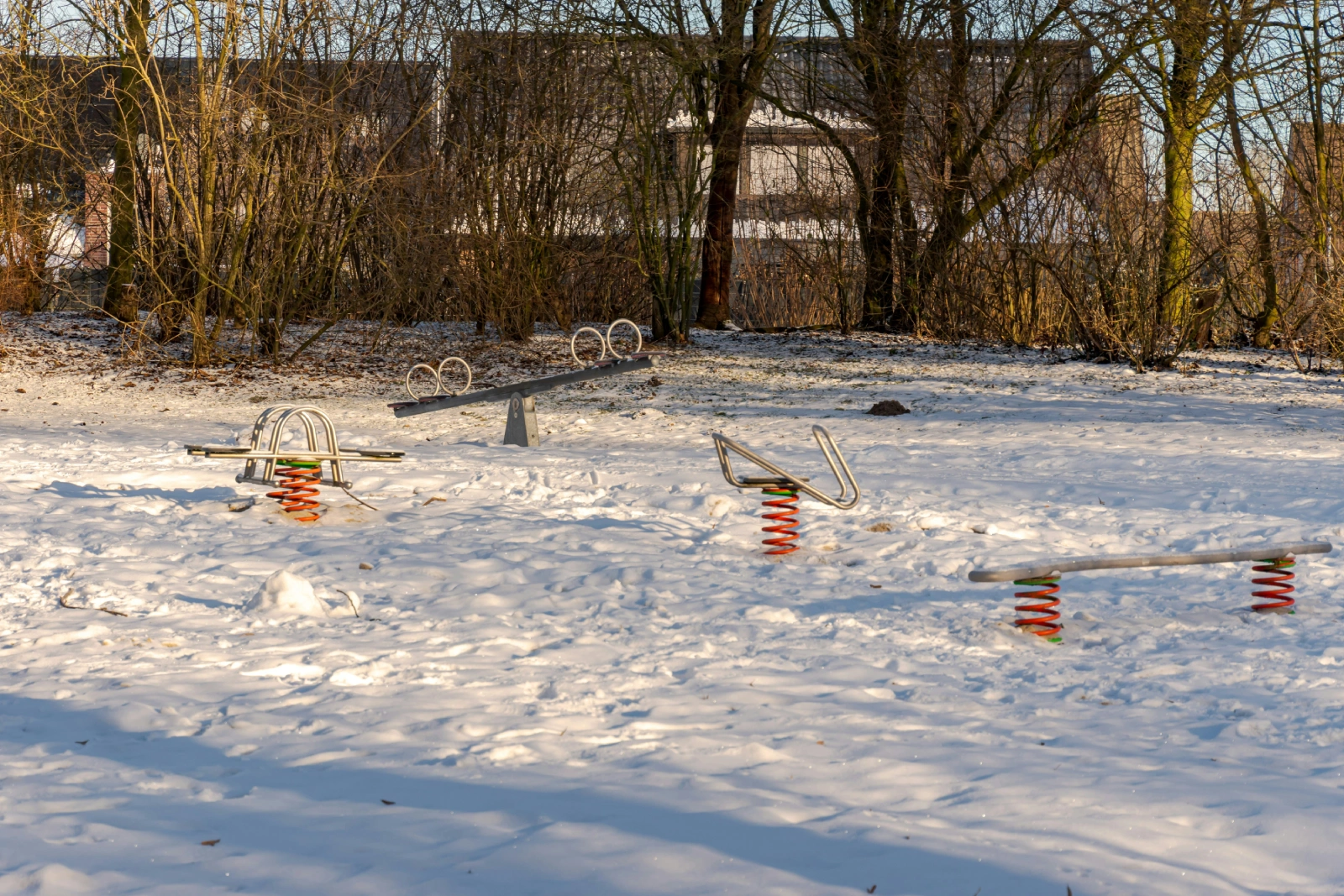
Children experience weather every single day, sunshine, rain, wind, or a sudden chill in the air, long before they have the vocabulary to describe it properly. This everyday exposure makes weather one of the most natural science topics to explore with young learners.
Rather than explaining seasons purely through a textbook diagram, hands-on activities help children connect what they feel outside with the bigger patterns behind it. Many top schools in Bangalore build simple weather observation into their early years curriculum for exactly this reason, it turns an abstract concept into something children can see, touch, and track.
Why Weather Is a Great Topic for Young Learners
Weather is immediate and personal. A child does not need to imagine a hot day, they have felt one. This built-in familiarity makes it easier to introduce scientific thinking, observation, prediction, and pattern recognition, without it feeling like a difficult new subject.
It also naturally connects to other learning areas, counting sunny days on a calendar, describing cloud shapes, or discussing why we wear different clothes in different seasons.
Activity One: Build a Simple Weather Chart
A daily weather chart is one of the easiest ways to start. Each morning, children draw or place a symbol, sun, cloud, rain, or wind, on a simple calendar grid.
Over a month, this builds a visual record children can look back on, helping them notice patterns like ‘it rained a lot this week’ or ‘it’s getting cooler than last month.’
What This Teaches
Beyond weather itself, this activity builds early data-tracking skills, children learn to observe, record, and later interpret simple patterns, a foundation for more advanced science later on.
Activity Two: Make a Rain Gauge
A homemade rain gauge is a simple but genuinely exciting project. Using a clear plastic bottle with the top cut off and inverted as a funnel, children can measure how much rain falls after a shower.
Marking measurements with a ruler and comparing rainy days over a season introduces basic measurement skills alongside weather observation, ideal for children who are just starting to understand numbers and units.
Activity Three: Track Shadows Through the Day
On a sunny day, have a child trace their own shadow with chalk at different times, morning, midday, and afternoon. Comparing the length and direction of the shadow introduces an early, hands-on understanding of how the sun’s position changes.
This activity works particularly well because it connects weather and seasons to something even bigger, the sun’s movement across the sky, without requiring any complicated explanation.
Activity Four: Seasonal Nature Walks
Taking a short walk each season and collecting small, safe items, a fallen leaf, a flower petal, a pebble, gives children a tangible way to notice seasonal change firsthand.
Encourage children to describe what they notice: are trees bare or full of leaves? Is the air warm or cool? These simple observations build vocabulary alongside genuine scientific noticing.
Comparing Simple Weather Activities
| Activity | Skill It Builds |
| Weather Chart | Daily observation and pattern recognition |
| Rain Gauge | Basic measurement and data comparison |
| Shadow Tracking | Understanding of the sun’s changing position |
| Nature Walks | Seasonal awareness and descriptive vocabulary |
Activity Five: Cloud Watching and Cloud Types
Lying back and watching clouds drift by is not just relaxing, it is a genuine science activity. Children can learn to spot three simple cloud types, fluffy white cumulus clouds on fair days, thin wispy cirrus clouds high in the sky, and flat grey stratus clouds that often bring rain.
Keeping a simple cloud journal, drawing what is seen each day alongside the weather that follows, helps children start connecting cloud patterns to what actually happens next, an early, playful introduction to weather prediction.
How These Activities Connect to Later Science Learning
The habits built through simple weather activities, observing carefully, recording results, and comparing data over time, are the exact same skills children will need for more formal science experiments in later grades.
Rather than feeling like a sudden leap, subjects like meteorology, climate, or even basic statistics become far more approachable for children who have already spent time informally tracking rain, sun, and temperature changes as part of everyday play.
Weather Looks Different Around the World
It helps to remind children that weather and seasons are not the same everywhere. While Bangalore experiences a relatively mild climate with distinct wet and dry spells, other parts of the world see heavy snowfall, long dark winters, or intense monsoon rains.
Comparing local weather with pictures or stories from other regions, snow in the mountains, deserts with almost no rain, or tropical islands with year-round warmth, helps children understand that seasons are shaped by geography as much as by the calendar.
Weather Activities That Work Well as a Family Routine
Many of these activities work just as well at home as they do in a classroom, and they don’t need to take more than a few minutes each day. A quick glance out the window before breakfast, followed by a guess about the day’s weather, can become a small, enjoyable family ritual.
Over time, children begin noticing details adults often overlook, the particular smell of air before rain, the way birds behave differently before a storm, or how quickly puddles dry up on a sunny afternoon. These small observations build a genuine, lasting curiosity about the natural world that lasts well beyond early childhood.
How to Turn Weather Talk Into Everyday Learning
Beyond structured activities, small daily conversations reinforce these ideas naturally.
- Ask your child to guess the weather before checking, then compare
- Talk about why we dress differently in different seasons
- Point out clouds and ask what shapes or types they notice
- Discuss how animals or plants change with the seasons
- Let children help choose seasonal clothing, reinforcing the connection between weather and daily choices
Bringing These Activities Into the Classroom
Good early years programs treat weather not as a one-time lesson but as an ongoing classroom ritual, a quick daily check-in that builds familiarity over the whole school year.
Whether at a nursery school in Bangalore or in a home learning routine, the key is consistency. Repeated, low-pressure observation over weeks and months teaches children far more about seasons than a single explanation ever could.
Key Takeaways
- Weather is an ideal science topic for young children because it is immediate and familiar.
- Simple tools like a homemade rain gauge or weather chart build real observation and measurement skills.
- Shadow tracking offers an easy, hands-on introduction to the sun’s changing position.
- Consistent, everyday weather conversations build stronger seasonal understanding than a single lesson.
- These activities combine naturally with vocabulary building and early data skills.
Conclusion
Understanding the seasons does not require complicated science kits or lengthy explanations, it simply requires curiosity, consistency, and a willingness to step outside and observe. Weather offers children a perfect, ever-present subject to practise exactly that.
Families exploring options among top rated schools in Bangalore may find it useful to ask how much hands-on, outdoor observation is built into the early years program, since these small, repeated moments of noticing often shape a child’s scientific thinking far more than any single classroom lesson.
FAQs
What age is best to start weather activities with children?
Children as young as three or four can begin simple weather observation, like naming what they see outside each day, with more structured activities suiting ages five and above.
Do I need special equipment for these activities?
No, most of these activities use simple household items like paper, a plastic bottle, or chalk, making them easy to try at home without any special purchases.
How can weather activities help beyond science learning?
They also build vocabulary, early measurement and counting skills, and observation habits that support learning across other subjects as well.
What if my area doesn’t have four distinct seasons?
The same principles apply to any local pattern, tracking rainy versus dry spells, or warmer versus cooler months, works just as well as tracking traditional seasons.
How often should we do these activities to see real benefit?
Short, regular check-ins, even a minute or two daily, tend to build stronger pattern recognition than occasional, longer activities done less frequently.
Can these activities be adapted for a classroom of many children?
Yes, weather charts and nature walks work particularly well in group settings, since children enjoy comparing observations and discussing differences with classmates.