
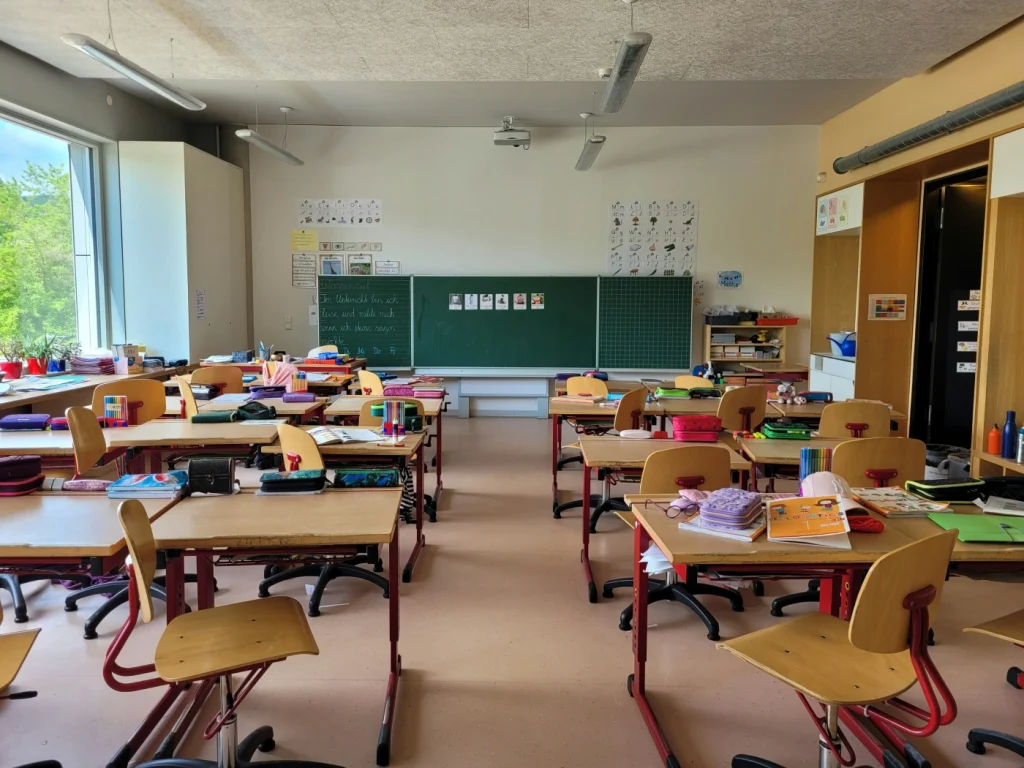
A classroom is only as good as the people in it. Teachers set the tone, yes — but students shape it every single day through the small choices they make: how they treat a classmate who gets an answer wrong, whether they leave their space tidy, how they speak when things get frustrating. These are not minor details. They are the building blocks of a learning environment that either works for everyone or quietly works against certain students.
The good news is that students of any age can actively improve their classroom, and most of the actions involved require no special skill or permission — just a bit of intention. This guide breaks down practical, realistic ways students can contribute to a better classroom, and explains why those contributions matter long after the school day ends.
Why Student Behaviour Shapes the Whole Room
Research consistently shows that classroom climate — the overall feel of safety, respect, and engagement in a room — directly affects learning outcomes. When students feel psychologically safe, they participate more, take more intellectual risks, and retain more information. When they do not, even the best teaching can fall flat.
Students are not passive recipients of that climate. They create it, moment by moment. A student who listens respectfully when a classmate speaks signals to everyone else that contributions are valued. A student who cleans up without being asked sets a norm that others tend to follow. This is why best schools in Bangalore increasingly focus on student agency and responsibility as core parts of school culture, not just add-ons.
Be an Active Listener, Not Just a Quiet One
There is a difference between sitting silently and actually listening. Active listening means making eye contact with whoever is speaking, noticing what they are saying rather than planning your own response, and responding in a way that shows you engaged. In a classroom, this matters enormously.
When a teacher explains something, active listening means watching the board, not your desk. When a classmate answers a question, it means not laughing if they get it wrong. These behaviours sound small, but they change the texture of a classroom significantly. Students who feel genuinely heard tend to participate more, which enriches discussions for everyone.
How to Practise Active Listening
- Put your phone or device away when someone is speaking.
- Nod or use small acknowledgements to show you are following.
- Wait a beat before responding — it signals that you processed what was said, not just that you heard it.
- Ask a follow-up question when a classmate makes an interesting point. It encourages them and deepens the conversation.
Take Ownership of the Physical Space
Shared spaces tend to deteriorate when everyone assumes someone else will maintain them. In a classroom, students who take quiet ownership of the physical environment — pushing in chairs, picking up dropped paper, organising shared materials — make the room more functional for everyone without any fanfare.
This kind of responsibility is not just about tidiness. It is a form of respect for shared space and for the people who use it. Many schools in Whitefield and elsewhere actively teach environmental responsibility as part of broader values education, because they understand that students who care for their classroom develop habits of care that extend into every space they occupy.
Include Others — Especially When It Is Easier Not To
Social exclusion in classrooms is often subtle. It is the group that consistently forms without inviting the same two classmates. It is the partner project where one person does all the talking. It is the lunch table where no one moves over. These dynamics do not require any dramatic bullying to do real damage.
Students who actively push against these patterns — who invite the quieter classmate, who make space in group work, who notice when someone looks left out — do something that no teacher can fully engineer from the front of the room. Inclusion is a peer-level act, and it matters.
Passive vs Active Classroom Contribution: What the Difference Looks Like
Many students think they are contributing simply by not causing problems. But there is a meaningful gap between passive and active contribution:
| Situation | Passive Response | Active Contribution |
|---|---|---|
| A classmate answers incorrectly | Stay quiet, look away | Keep a neutral expression, nod encouragingly |
| Group project roles | Wait to be assigned a task | Volunteer for a role or ask how you can help |
| Messy classroom at end of day | Leave your own space tidy only | Stack chairs or gather stray papers |
| Someone sitting alone at lunch | Notice, then walk past | Sit nearby or invite them to join |
| Teacher asks a question, silence follows | Wait for someone else to answer | Attempt an answer, even if unsure |
Respect Differences in Learning Pace and Style
Not every student picks up a concept at the same speed, and classrooms where faster learners visibly sigh or draw attention to a slower classmate’s confusion create anxiety that genuinely slows learning for everyone. Students who understand this — and who adjust their reactions accordingly — make their classroom a safer place to try and fail.
This is a form of emotional intelligence that develops through practice, not just instruction. Many cbse schools in bangalore build character development and empathy training into their programmes precisely because these skills are as important to long-term success as academic content.
Use Language That Builds, Not Undermines
The way students speak to and about each other sets the entire tone of a classroom. Language that mocks effort, labels people as “slow” or “try-hards,” or turns minor mistakes into jokes chips away at the sense of safety that learning requires. It does not need to be openly hostile to have this effect — even casual dismissiveness sticks.
Students who choose encouraging language, who compliment a classmate’s idea before adding their own, or who simply refrain from the easy laugh at someone else’s expense, quietly change what feels possible in a room. This is not about being overly formal or suppressing humour. It is about noticing when a joke comes at someone else’s expense, and choosing differently.
Communicate Concerns Constructively
Part of making a classroom better is having the confidence to speak up when something is not working — whether that is a learning issue, a social conflict, or a concern about classroom dynamics. Students who learn to raise concerns clearly and respectfully, rather than venting in the group chat or letting resentment build, help their class resolve issues before they escalate.
Schools that create structured channels for student voice — through class councils, student representatives, or open feedback sessions — make this easier. If you are a parent evaluating top rated schools in Bangalore, asking how student feedback is collected and acted upon is a worthwhile question, because it signals how seriously a school takes student agency.
Key Takeaways
- Classroom climate is shaped as much by students as by teachers — and it directly affects how well everyone learns.
- Active listening is a learnable habit that signals respect and raises the quality of class discussions.
- Taking quiet ownership of shared spaces develops responsibility habits that extend beyond school.
- Inclusion is a peer-level act. Students can reduce subtle exclusion in ways teachers cannot always see.
- Encouraging language and constructive communication make it safer for every student to participate.
Conclusion
A better classroom does not happen automatically because rules are posted on the wall or because the teacher is skilled. It happens because students choose, repeatedly and often without recognition, to listen well, include others, speak carefully, and take responsibility for shared space. These habits are not just good for the classroom. They are good for life.
If you are looking for a school that actively cultivates these qualities in students, it helps to ask specific questions during admissions visits — about how the school handles conflict, what student voice looks like in practice, and how character development fits into the school’s overall approach.
FAQs
1. Can students really make a difference to classroom culture?
Yes, significantly. Student behaviour — how they treat each other, how they respond to mistakes, how they manage shared spaces — shapes classroom climate as much as teaching does.
2. What if the rest of the class does not follow the same approach?
Change in group dynamics often starts with one or two students. Consistent behaviour by a small number of students frequently influences the wider group over time.
3. How can parents support this at home?
Model the behaviours you want children to use — active listening, respectful disagreement, tidying shared spaces. Children absorb these practices more through observation than instruction.
4. What is the most impactful single change a student can make?
Improving how they respond when a classmate makes a mistake. A non-judgmental reaction from peers has an outsized effect on willingness to participate.
5. Should students raise classroom concerns with their teacher?
Yes. Learning to raise concerns respectfully and directly is an important skill. Schools that create structured student feedback channels make this easier and safer.
6. Does this apply to younger children in primary school?
Absolutely. Simple versions of these habits — sharing, taking turns, tidying up, noticing when someone is left out — can be introduced from the earliest school years.
7. How does this connect to academic performance?
Psychological safety and belonging in a classroom directly increase participation and risk-taking in learning. Students in positive classroom environments tend to perform better over time.