
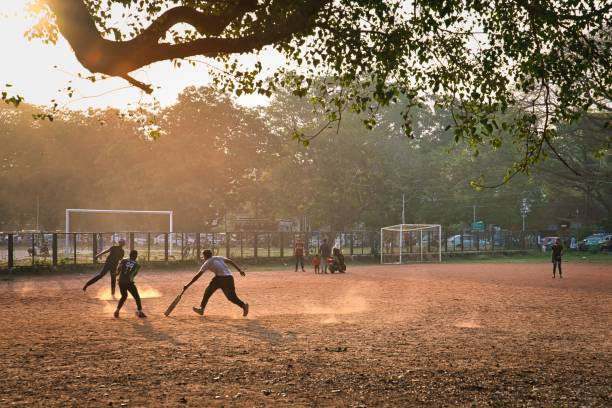
Sports have always been an integral part of Indian culture, playing a significant role in shaping physical fitness, discipline, and teamwork among individuals. Over the years, the landscape of sports in India has evolved, with both traditional and modern games gaining widespread popularity. Understanding the popular sports in India not only provides insight into the country’s cultural diversity but also highlights their importance in student development.
For children and young learners, sports contribute to holistic growth by improving physical health, enhancing mental well-being, and building essential life skills. This guide explores the most widely followed sports in India and examines their impact on students and society.
Why Sports Are Important for Students
Before exploring the popular sports in India, it is important to understand why sports are essential in education.
Participation in sports helps students:
- Improve physical fitness and stamina
- Develop teamwork and leadership skills
- Enhance concentration and discipline
- Manage stress and emotional well-being
- Build resilience and perseverance
Educational institutions that emphasize sports alongside academics create well-rounded learning environments. Many parents today explore options such as schools in Varthur that integrate physical education into their curriculum.
Cricket: The Most Popular Sport in India
Cricket is undoubtedly the most followed sport in the country. It enjoys massive popularity across all age groups and regions.
Key Features of Cricket’s Popularity
- Strong national and international presence
- Influence of major tournaments
- Wide media coverage and fan engagement
Impact on Students
- Encourages teamwork and strategic thinking
- Builds patience and focus
- Provides opportunities for professional careers
Cricket’s popularity has inspired many schools to include structured coaching programs within their sports curriculum.
Football: Growing Rapidly Among Youth
Football has seen a steady rise in popularity, especially among urban youth.
Reasons for Growth
- Global influence of international leagues
- Increased grassroots programs
- Accessibility and ease of play
Impact on Students
- Enhances physical endurance
- Promotes coordination and agility
- Encourages team collaboration
Schools that focus on sports development often provide football training facilities to nurture young talent.
Badminton: A Widely Played Indoor Sport
Badminton has gained immense popularity due to its accessibility and the success of Indian players on international platforms.
Why It’s Popular
- Can be played indoors and outdoors
- Requires minimal equipment
- Suitable for all age groups
Impact on Students
- Improves reflexes and coordination
- Enhances concentration
- Builds individual discipline
Badminton is commonly included in school sports programs due to its versatility.
Hockey: India’s Traditional Pride
Hockey holds a special place in India’s sporting history as the national sport.
Key Highlights
- Rich legacy in international competitions
- Strong representation in school-level sports
Impact on Students
- Develops teamwork and coordination
- Builds physical strength and endurance
- Encourages strategic thinking
Despite competition from other sports, hockey continues to be an important part of school athletics.
Kabaddi: A Traditional Indian Sport
Kabaddi is one of the oldest and most popular traditional sports in India, especially in rural areas.
Unique Features
- Requires strength, agility, and quick decision-making
- Minimal equipment needed
- Deep cultural roots
Impact on Students
- Enhances physical fitness
- Builds confidence and mental toughness
- Encourages quick thinking
Kabaddi has gained renewed popularity through professional leagues and school competitions.
Athletics: Foundation of Physical Fitness
Athletics includes running, jumping, and throwing events, forming the base of many sports activities.
Importance in Schools
- Helps identify natural talent
- Builds endurance and strength
- Improves overall fitness
Impact on Students
- Encourages individual goal-setting
- Develops discipline and consistency
- Enhances physical health
Many institutions, including CBSE schools in Whitefield, emphasize athletics as part of their physical education programs.
Basketball: Popular in Urban Schools
Basketball is widely played in schools, particularly in urban areas.
Why Students Prefer Basketball
- Fast-paced and engaging
- Encourages teamwork
- Develops coordination and agility
Impact on Students
- Improves reflexes and decision-making
- Builds teamwork and communication skills
- Enhances physical fitness
Basketball courts are a common feature in modern school campuses.
Tennis: Emerging as a Competitive Sport
Tennis is gaining popularity among students interested in individual sports.
Key Benefits
- Enhances focus and precision
- Develops physical stamina
- Encourages strategic thinking
Impact on Students
- Promotes discipline and self-reliance
- Builds mental strength
- Offers competitive opportunities
Role of Schools in Promoting Sports
Schools play a critical role in encouraging participation in the popular sports in India. A well-structured sports program helps students explore their interests and develop skills.
Key Contributions of Schools
- Providing sports infrastructure and facilities
- Offering professional coaching
- Encouraging participation in competitions
- Integrating sports into daily routines
Parents often consider institutions like nursery schools in Whitefield Bangalore that introduce physical activities at an early stage, helping children develop interest in sports.
Similarly, early learning environments such as a preschool in Whitefield focus on basic motor skills and physical activity, laying the foundation for future sports participation.
Physical and Mental Benefits of Sports
Participation in sports has a direct impact on both physical and mental health.
Physical Benefits
- Improved strength and stamina
- Better coordination and flexibility
- Reduced risk of lifestyle-related health issues
Mental Benefits
- Reduced stress and anxiety
- Improved focus and concentration
- Enhanced self-confidence
Sports help students maintain a balanced lifestyle, contributing to overall well-being.
Sports and Life Skills Development
Sports are a powerful medium for developing essential life skills.
Skills Developed Through Sports
- Leadership and teamwork
- Time management
- Decision-making
- Discipline and perseverance
These skills are valuable not only in academics but also in future careers.
Encouraging Children to Participate in Sports
Parents and educators play a vital role in motivating children to engage in sports.
Practical Tips
- Encourage children to explore different sports
- Focus on participation rather than competition
- Provide a supportive environment
- Balance sports with academics
Early exposure helps children identify their interests and develop a lifelong appreciation for physical activity.
Conclusion
The popular sports in India reflect the country’s cultural diversity and evolving interests. From cricket and football to traditional games like kabaddi, each sport contributes to the physical, mental, and social development of students.
Incorporating sports into education is essential for fostering well-rounded individuals. With the support of schools and parents, children can benefit from the discipline, teamwork, and resilience that sports instill.
Encouraging active participation in sports not only promotes health and fitness but also prepares students for future challenges, making it an indispensable part of modern education.
FAQs
1. Which are the most popular sports in India?
Cricket, football, badminton, hockey, kabaddi, and athletics are among the most popular sports in India.
2. Why are sports important for students?
Sports improve physical fitness, enhance concentration, and help develop teamwork and leadership skills.
3. At what age should children start playing sports?
Children can start engaging in basic physical activities during early childhood, with structured sports introduced gradually.
4. Can sports help in academic performance?
Yes, sports improve focus, discipline, and time management, which positively impact academic performance.
5. How can schools promote sports among students?
Schools can provide facilities, organize competitions, offer coaching, and integrate sports into daily routines.