
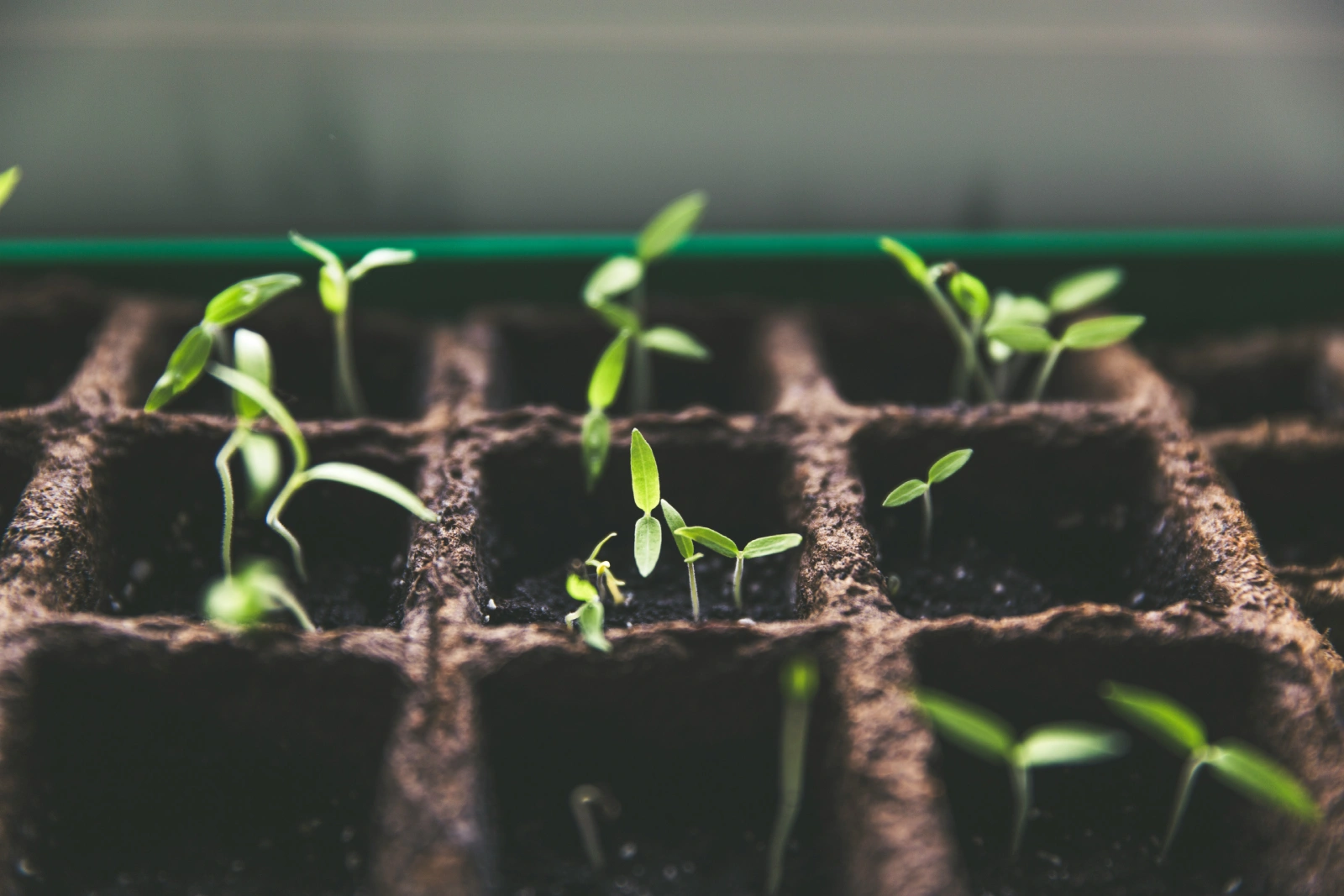
Hold a tiny seed in your palm, and it is hard to imagine that something so small could one day become a towering tree or a plant bursting with flowers. Yet inside that little shell is everything needed to begin an entirely new life.
For young children, few science lessons are as magical, or as easy to observe firsthand, as watching a seed grow. It combines patience, curiosity, and a small dose of wonder, all wrapped into one simple activity. Many of the best schools in Bangalore use seed-growing projects precisely because they turn abstract science into something children can touch, water, and watch change day by day.
What Is Inside a Seed?
Every seed is like a tiny, sealed package. Inside, it holds a baby plant called an embryo, along with a small store of food to help it survive its first few days of growth.
Wrapped around all of this is a protective outer layer called the seed coat, which keeps the embryo safe from damage, insects, and drying out until conditions are just right for it to grow.
Step One: Germination Begins
A seed does not grow the moment it is planted. It waits for three key conditions, water, warmth, and, for many seeds, a bit of oxygen in the soil.
Once these conditions are met, the seed absorbs water and begins to swell. This process, called germination, is the seed’s official wake-up call. The seed coat softens and eventually splits open, making room for new growth to emerge.
Why Water Matters So Much
Water activates enzymes inside the seed that break down its stored food into energy. Without enough water, a seed can remain dormant for months or even years, waiting patiently for the right moment.
The Role of Warmth
Most seeds germinate best in mild, warm conditions. Too cold, and the process slows down dramatically; this is part of why gardeners often wait until spring to plant many seed varieties.
Step Two: The Root Appears First
Interestingly, the very first part of a growing seed to emerge is not a leaf or stem, it is the root. This tiny root, called the radicle, pushes downward into the soil, anchoring the plant and searching for water.
This order makes perfect sense. A plant needs a stable water source before it can afford to grow upward toward the sun. Roots also begin absorbing nutrients from the soil almost immediately, fuelling the next stage of growth.
Step Three: The Shoot Reaches for Light
Once the root is established, a small shoot begins to push upward through the soil, bending around obstacles and always growing toward light, a behaviour scientists call phototropism.
When the shoot finally breaks through the surface, it unfurls its first tiny leaves. These early leaves look different from the plant’s mature leaves and exist mainly to kickstart photosynthesis as quickly as possible.
Step Four: Photosynthesis Takes Over
Once leaves are exposed to sunlight, the plant begins making its own food through photosynthesis, combining sunlight, water, and carbon dioxide to produce sugars for energy.
This is the turning point where the plant no longer depends on the seed’s original food store. It becomes self-sufficient, using its roots, stem, and leaves together as a small, efficient food-making system.
Step Five: Growth, Flowering, and New Seeds
With a steady food supply, the plant grows taller, develops branches, and matures over weeks or months depending on the species. Eventually, many plants produce flowers, which attract pollinators like bees and butterflies.
Once pollinated, flowers develop into fruit or seed pods, completing the cycle. These new seeds eventually fall to the ground or get carried elsewhere by wind, animals, or water, ready to begin the entire journey again.
A Simple Seed-Growing Activity for Kids
Watching this process firsthand is one of the best ways for children to understand it. A simple classroom or home activity can bring the whole journey to life.
- Place a bean seed between a damp paper towel and the inside of a clear plastic cup.
- Keep the paper towel moist, but not soaking wet, and place the cup near a sunny window.
- Check daily and draw or photograph any visible changes.
- Note when the root first appears, usually within 3 to 5 days.
- Watch for the shoot and first leaves, typically within 7 to 10 days.
Stages of Seed Growth at a Glance
| Stage | What Happens |
| Germination | Seed absorbs water and the coat softens |
| Root Growth | Radicle emerges and anchors into soil |
| Shoot Growth | Stem pushes upward toward light |
| First Leaves | Early leaves unfurl and begin photosynthesis |
| Maturity | Plant grows, flowers, and produces new seeds |
How Long Does the Whole Journey Take?
The timeline varies enormously depending on the plant. A bean seed might sprout in under a week and flower within two months, while an oak tree can take twenty years or more before it produces its first acorns.
This variation is a useful lesson in itself: not every living thing grows at the same pace, and patience looks different depending on what you are waiting for. Fast-growing seeds like beans, radishes, or marigolds are ideal for classroom or home projects precisely because children can see meaningful change within days rather than months.
How Seeds Travel to New Places
Plants cannot walk, so nature has developed remarkably clever ways to help seeds travel far from the parent plant. Some seeds, like dandelions, grow tiny parachutes that catch the wind and drift for long distances.
Others rely on animals entirely by accident, burrs with tiny hooks cling to fur or clothing, while fruit seeds often pass through an animal’s digestive system after being eaten, landing in a new spot complete with a small amount of natural fertiliser.
Coconut seeds take an entirely different approach, floating across oceans inside a tough, waterproof shell until they wash ashore somewhere new. Each method solves the same basic problem in a completely different way, a small reminder of just how inventive nature can be.
Why This Lesson Matters Beyond Science Class
Growing a seed teaches children far more than plant biology. It builds patience, since results take days rather than minutes, and responsibility, since forgetting to water the seed has a visible consequence.
It also nurtures a quiet sense of wonder, the realisation that something as ordinary as a bean or a sunflower seed carries the complete instructions for an entire living organism. This is one reason nursery schools in Bangalore often introduce seed activities as early as possible, using them as a gentle, hands-on entry point into the natural world.
Best of all, this is a lesson that repeats itself endlessly outside the classroom too, in a home garden, a balcony pot, or even a forgotten potato sprouting on a kitchen counter, giving children countless everyday chances to notice the same remarkable process happening again and again.
Key Takeaways
- A seed contains a baby plant, stored food, and a protective outer coat.
- Germination begins once a seed gets enough water, warmth, and oxygen.
- Roots always grow first, followed by the shoot reaching toward light.
- Once leaves appear, the plant begins making its own food through photosynthesis.
- Simple activities like the paper-towel experiment make this process easy for children to observe firsthand.
Conclusion
The journey from seed to plant is one of nature’s simplest yet most remarkable stories, small enough to fit in a child’s palm, but complex enough to spark a lifetime of curiosity about how living things grow.
Whether at home or through a hands-on classroom project, giving children the chance to watch this process unfold is one of the most rewarding ways to introduce them to science. It is also a detail worth noticing among schools in Whitefield and across the city, since schools that prioritise real, hands-on learning like this tend to nurture far more curious, engaged young learners.
FAQs
How long does it take for a seed to sprout?
Most common seeds like beans sprout within 3 to 10 days, though this varies depending on the seed type, temperature, and moisture conditions.
Why does the root grow before the shoot?
A plant needs a stable source of water and nutrients before it can safely grow upward, so the root always develops first to anchor and feed the seedling.
Can children grow seeds without soil?
Yes, seeds like beans can germinate in a damp paper towel, making it easy for children to observe root and shoot growth clearly without soil covering the process.
What happens if a seed doesn’t get enough water?
Without adequate water, a seed remains dormant and will not begin germinating, sometimes staying in this resting state for a long time until conditions improve.
Why do first leaves look different from mature leaves?
Early leaves, called seed leaves, are simpler in shape and exist mainly to quickly start photosynthesis before the plant’s true leaves develop.
Is growing seeds a good activity for very young children?
Yes, it is simple, visual, and rewarding, making it an excellent hands-on science activity even for nursery and early primary age children.