
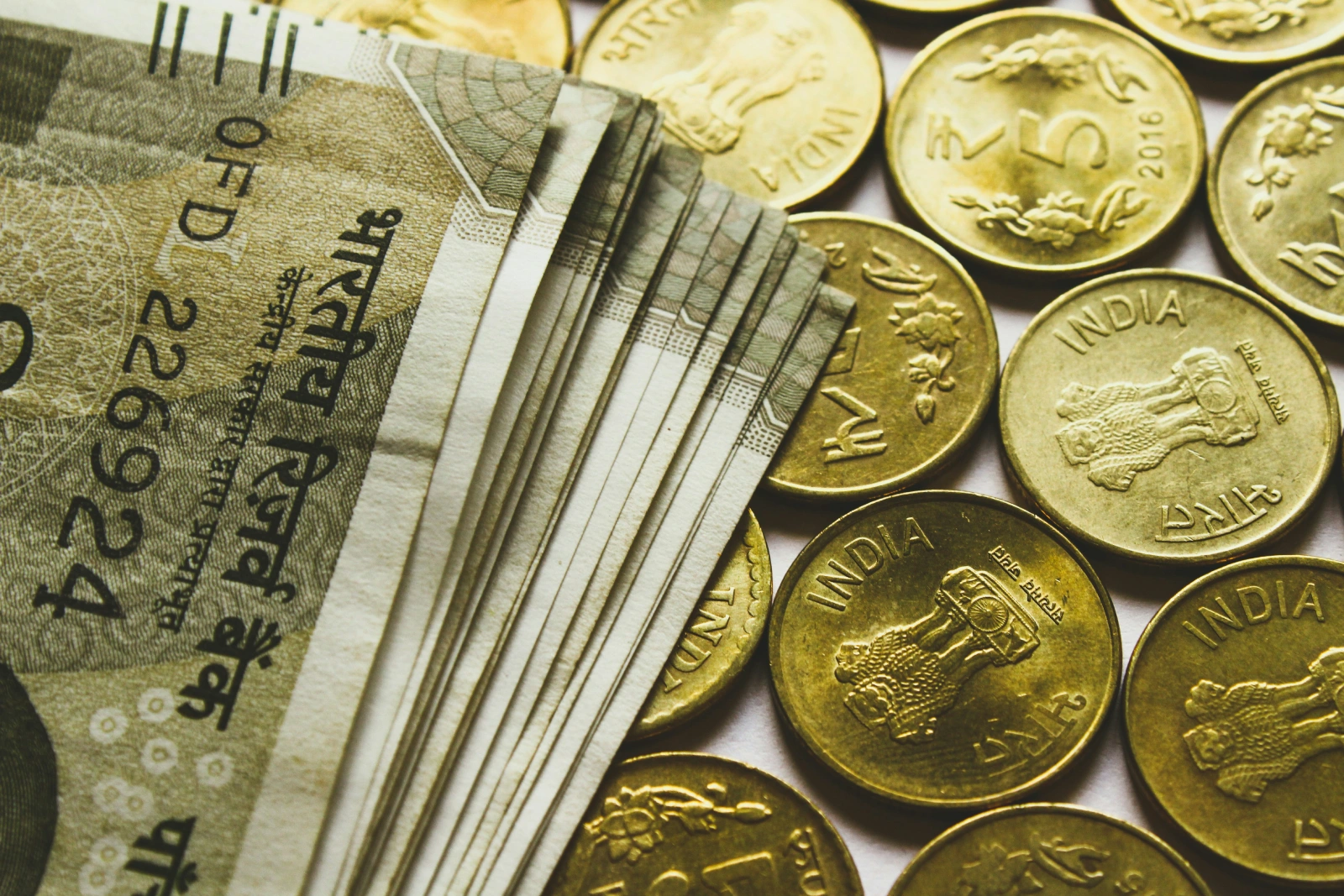
Every time a child holds a coin or a colourful rupee note, they are holding a small piece of history. Money might seem like an everyday, ordinary thing, but the story behind the Indian Rupee stretches back thousands of years, long before paper notes or even round coins existed.
Learning about currency is also a gentle, engaging way to introduce children to history, economics, and even a little bit of art, since Indian currency design has changed dramatically over time. Many CBSE schools in Bangalore weave simple money history lessons into social studies precisely because it connects so naturally to everyday life.
This journey through the rupee’s past also shows children something valuable about change itself, how something as familiar as money keeps evolving generation after generation, shaped by new rulers, new technology, and new ideas about what a nation wants its currency to represent.
Where the Word ‘Rupee’ Comes From
The word ‘rupee’ comes from the Sanskrit word ‘rupya’, meaning a shaped or stamped piece of silver. This gives a clue to how early currency looked, simple silver pieces marked to show their value.
This naming tradition eventually spread across the region, influencing currency names in several neighbouring countries as well, a small but interesting example of how trade and language travel together.
Ancient Beginnings: Before Coins Existed
Long before coins, people in ancient India traded goods directly, exchanging grain for cloth, or cattle for tools. This system, called barter, worked well in small communities but became difficult as trade grew larger and more complex.
To solve this, early societies began using standard items, like cattle, grain, or metal pieces, as a form of currency everyone agreed had value, an important first step toward the coins that would follow.
Imagine trying to trade a goat for a bag of rice, but the rice seller didn’t want a goat that day. Barter depended entirely on both people wanting exactly what the other had, a problem economists call the ‘double coincidence of wants’. Standard items like grain or metal solved this neatly, since almost everyone was willing to accept them in exchange, even if they didn’t need them immediately.
How Coins Were Made in Ancient Times
Ancient Indian coin-makers did not have modern machines. Punch-marked coins were created by cutting small, irregularly shaped pieces of silver and stamping them with simple symbols, like the sun, animals, or trees, using a hammer and metal punch.
Because each coin was made and marked by hand, no two were ever perfectly identical, a detail that makes surviving examples especially fascinating for historians and collectors today.
The First Coins in India
Some of the earliest known Indian coins date back over 2,500 years, made from silver and stamped with simple punched symbols, sometimes called ‘punch-marked coins.’ These were used across ancient kingdoms long before India became a single nation.
Over the centuries, coins evolved considerably, different rulers and empires introduced their own designs, metals, and values, reflecting the artistic and political style of their time.
The Sher Shah Suri Connection
The modern rupee is often traced back to a silver coin introduced in the 16th century by ruler Sher Shah Suri. This coin, known simply as the ‘rupiya’, became a widely trusted standard and heavily influenced currency systems for centuries afterward.
The Rupee During British Rule
During British colonial rule, the rupee continued as India’s primary currency, though its design and value were closely tied to British economic policy. Silver rupees remained common, alongside smaller denominations for everyday transactions.
This period also saw the introduction of paper currency in India, a major shift from coins alone, making it easier to handle larger sums of money conveniently.
The Reserve Bank of India, which still manages currency today, was established in 1935 during this period. From that point on, it became the sole authority responsible for issuing new rupee notes, a role it continues to hold for the country’s currency system today.
The Rupee After Independence
After India gained independence in 1947, the rupee became the official currency of a newly independent nation, with new designs reflecting India’s own identity rather than colonial symbols.
Over the following decades, coins and notes were redesigned multiple times, introducing new denominations, security features, and artwork celebrating Indian culture, wildlife, and achievements.
How the Rupee Symbol Came to Be
For a long time, India used abbreviations like ‘Rs.’ to represent the rupee in writing. That changed in 2010, when India officially adopted a new rupee symbol, ₹, designed specifically to represent the currency both nationally and internationally.
The symbol was chosen through a public design competition, blending the Devanagari letter ‘र’ with the Roman capital ‘R’, a small but meaningful detail that reflects India’s blend of tradition and modern identity.
A Quick Timeline of the Rupee
| Period | Key Development |
| Ancient India | Barter system and early punch-marked silver coins |
| 16th Century | Sher Shah Suri introduces the silver ‘rupiya’ |
| British Rule | Paper currency introduced alongside coins |
| 1947 Onward | Independent India redesigns currency with new symbols |
| 2010 | Official ₹ rupee symbol adopted |
Fun Facts to Share With Kids
- The word ‘rupee’ comes from a Sanskrit word meaning ‘shaped silver’
- Some ancient Indian coins are over 2,500 years old
- India’s rupee symbol ₹ was chosen through a nationwide public competition
- Early Indian currency included cattle and grain before coins existed
- Modern rupee notes feature Mahatma Gandhi and celebrate Indian heritage sites
Why Learning Currency History Matters for Kids
Understanding where money comes from helps children see currency as more than just numbers, it becomes a story connected to trade, culture, and history. This context often makes basic financial concepts, like saving or spending, easier to grasp later on.
It also builds an early appreciation for how societies solve practical problems, from barter to coins to digital payments, a theme children will keep encountering throughout school and beyond. Schools in Whitefield and across Bangalore increasingly weave this kind of real-world history into everyday lessons, helping children connect classroom learning to the world around them.
Even simple activities, like looking closely at the images and numbers on a real coin or note, can spark good questions: why is this person on the note? What do these symbols mean? Encouraging children to ask these questions turns something as ordinary as pocket change into a genuinely engaging history lesson.
Key Takeaways
- The word ‘rupee’ comes from the Sanskrit word ‘rupya’, meaning shaped silver.
- India’s earliest coins date back over 2,500 years, long before a unified nation existed.
- The modern rupee traces back to a 16th-century coin introduced by Sher Shah Suri.
- India adopted its official ₹ symbol in 2010 through a public design competition.
- Learning currency history helps children connect everyday money to broader history and culture.
Conclusion
The story of the Indian Rupee is really the story of India itself, shaped by trade, empires, independence, and a growing sense of national identity, all reflected in something as small and familiar as a coin or note.
For young learners, this history turns an everyday object into a genuinely fascinating topic. It is exactly the kind of real-world connection that the best CBSE schools in Bangalore try to build into their curriculum, helping children see history not as something distant, but as something they quite literally carry in their pockets.
FAQs
Where does the word ‘rupee’ come from?
It comes from the Sanskrit word ‘rupya’, meaning a shaped or stamped piece of silver, referring to early currency forms.
How old are the oldest known Indian coins?
Some punch-marked silver coins found in India date back more than 2,500 years, making them among the earliest coins in the world.
Who is credited with the modern rupee’s origins?
The modern rupee is often traced to a 16th-century silver coin called the ‘rupiya’, introduced by ruler Sher Shah Suri.
When did India get its official rupee symbol?
India officially adopted the ₹ symbol in 2010, chosen through a public design competition open to citizens.
What did people use before coins existed?
Ancient communities primarily used barter, trading goods like grain, cattle, or cloth directly, before standardised coins were introduced.
How can I make currency history interesting for young children?
Simple fun facts, timelines, and even examining real coins or notes together can make the topic feel hands-on and engaging rather than abstract.